
Shades of Legacy: The Timeless Art and History of Black & White Photography

Updated: Nov 29, 2025
Through Shades of Light: The History and Impact of Black & White Monochrome Photography
In an era where color dominates every screen and print, there remains a timeless allure to black and white photography. Monochrome images strip away distractions, leaving behind only the essence — the interplay of light, shadow, texture, and form. For many, it’s not just a style; it’s the very soul of photography.
Origins: The Dawn of Monochrome
Black and white photography traces its roots back to the very invention of the medium. In the early 19th century, pioneers like Nicéphore Niépce and Louis Daguerre developed processes such as the daguerreotype and calotype, which produced monochrome images long before the introduction of color. These photographs were not artistic choices at the time — monochrome was simply the only option available.
Yet, this limitation gave rise to an art form that celebrated light as its main subject. Photographers became masters of exposure, contrast, and tonal range, learning to craft mood and drama without the crutch of color.
Impact on History
Black and white photography became the visual language of history. From Mathew Brady’s Civil War images to Dorothea Lange’s haunting portraits during the Great Depression, monochrome photography has shaped how we remember the past.
The absence of color distills emotion. It creates a timeless quality, making a photograph feel both immediate and eternal. Consider Henri Cartier-Bresson’s candid street photography or Ansel Adams’ majestic landscapes — the lack of color forces the eye to explore texture, composition, and the dance between light and shadow.
Masters of the Monochrome
Throughout photography’s history, certain names have become synonymous with black and white excellence:
Henri Cartier-Bresson – Known for pioneering street photography and capturing the “decisive moment.”

Ansel Adams – Master of landscape photography and the Zone System, elevating tonal precision.
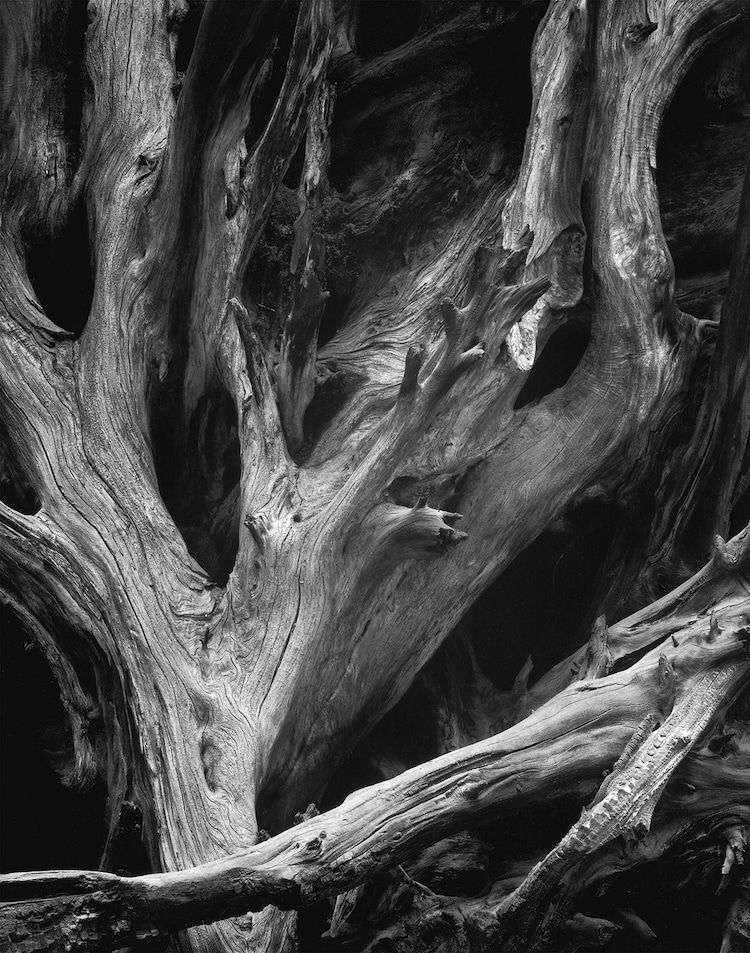
Sebastião Salgado – Modern-day legend whose monochrome work captures the dignity of human struggle.

Vivian Maier – The secretive nanny whose street photographs became an unexpected treasure trove of 20th-century life.

The Leica M Legacy
If there’s one camera brand intertwined with black and white photography’s heritage, it’s Leica. Since the 1920s, Leica M cameras have been in the hands of many of the world’s most iconic photographers. Their compact design, precision engineering, and unparalleled optics made them the perfect tool for documentary and street photography.

The release of the Leica M Monochrom in 2012 marked a bold statement in the digital era: a camera dedicated solely to black and white. Without a color filter array, it captures unmatched tonal depth and sharpness — a digital ode to monochrome purists. Photographers using it often describe a renewed intimacy with the medium, as if returning to the roots of photography while embracing modern technology.
Cameras, Film, and Equipment for Monochrome Magic
For those looking to immerse themselves in black and white photography, certain tools have shaped the craft:
Classic Film Cameras & Film Stocks
Leica M3 / M6 – Beloved rangefinders that have captured countless iconic monochrome images.
Nikon F Series – Durable workhorses for photojournalists.
Ilford HP5 Plus – A versatile, high-speed black and white film with a classic look.
Kodak Tri-X 400 – Legendary grain structure and tonal depth.
Digital Options for Monochrome Enthusiasts
Leica M Monochrom (Typ 246, M10 Monochrom) – Uncompromising digital monochrome quality.
Fujifilm X-Pro and X100 Series – Renowned film simulations, especially the Acros monochrome mode.
Essential Gear
High-quality prime lenses (35mm or 50mm) for classic field of view.
Neutral density (ND) filters for creative long exposures.
Tripod for precision and slow shutter work.
Why Monochrome Still Matters
In a world saturated with vibrant pixels, black and white photography stands as a counterpoint — a slower, more intentional way of seeing. It’s a medium where every shade tells a story, every shadow adds intrigue, and every highlight sings with clarity.
Black and white isn’t just the past; it’s a living, evolving art form that continues to inspire new generations of photographers. Whether you’re shooting with a century-old Leica M3, loading a roll of Tri-X, or firing the shutter on a modern M Monochrom, you’re participating in a tradition as old as photography itself — one that will never fade into the shadows.


“It’s the very soul of photography.” <—- THIS 💯🖤🤍📷